
Nature Biotechnology 2026 | High-fidelity fast fluorescence lifetime imaging by event-based denoi...
EFLIM enables high-speed fluorescence lifetime imaging at the single-photon level, reliably recovering lifetime information below one photon per pixel.


Nature Biotechnology 2026 | High numerical aperture confocal volumetric mesoscope reveals mesosca...
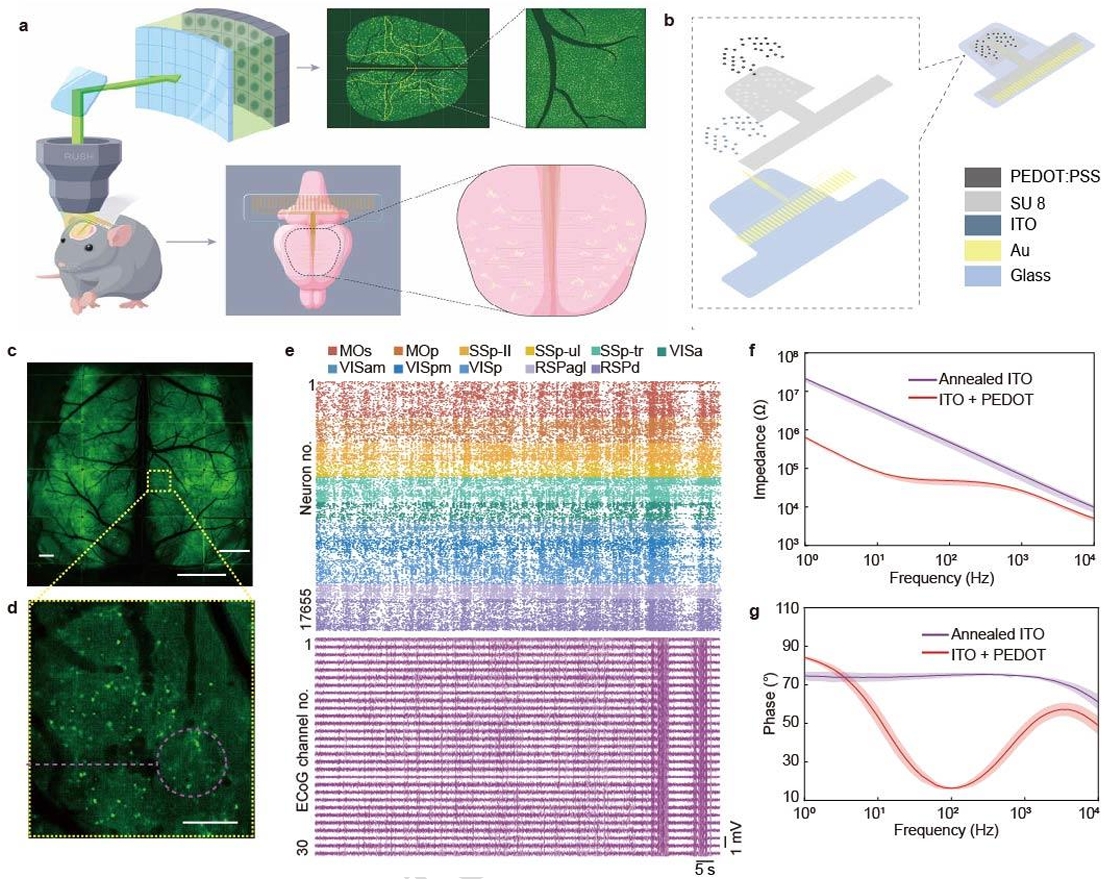
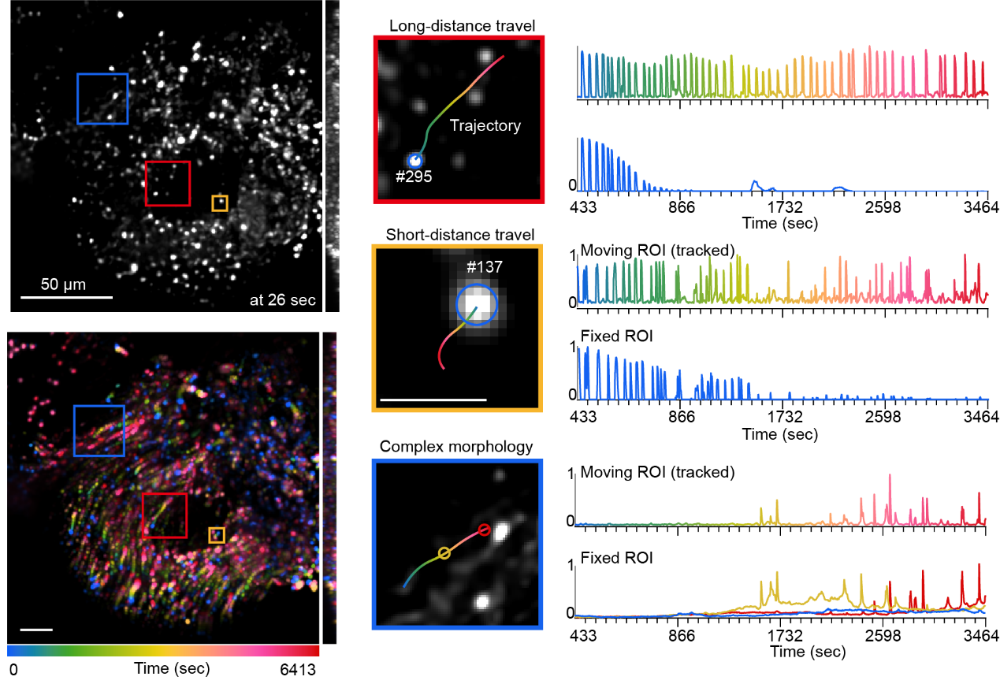
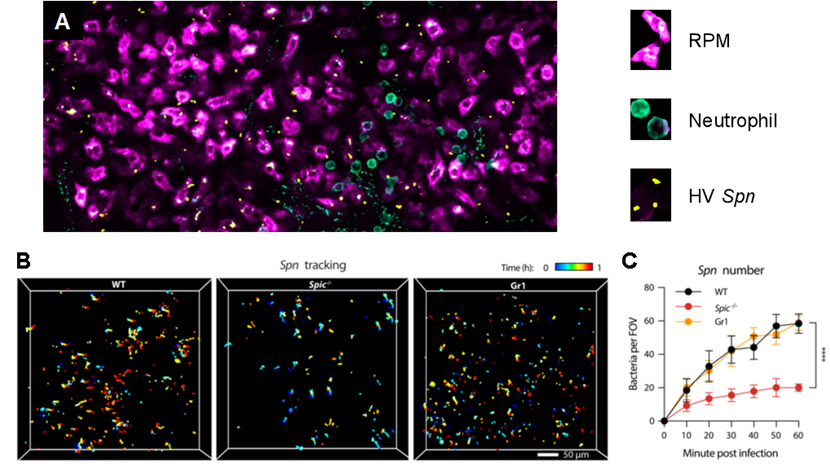
Mesoscale intravital imaging has long faced the trade-off between large field of view and high resolution. RUSH3D-HR, via high-NA optics and computational imaging, achieves subcellular 3D dynamics across millimeter scale for the first time, offering a novel means for observing subcellular population-level interactions of large scale immune cells in vivo.

The International Conference on Mesoscale Biology (ICMB)

Nature Biotechnology 2026 | High-fidelity intravital imaging of biological dynamics with latent-s...
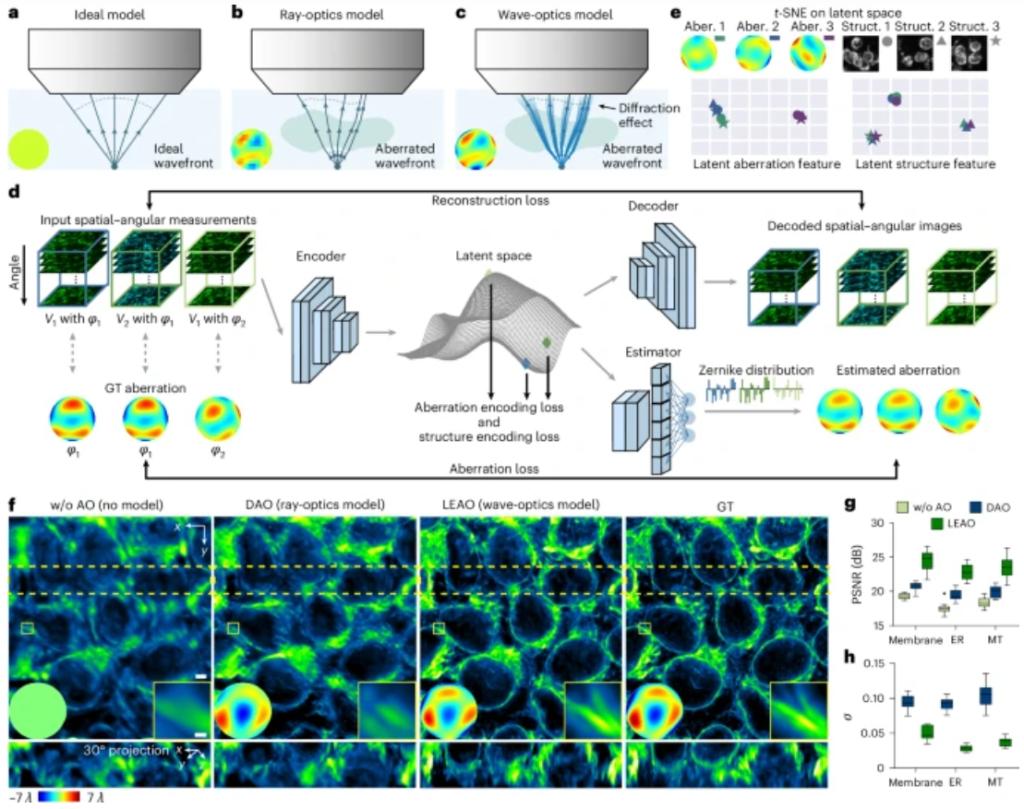
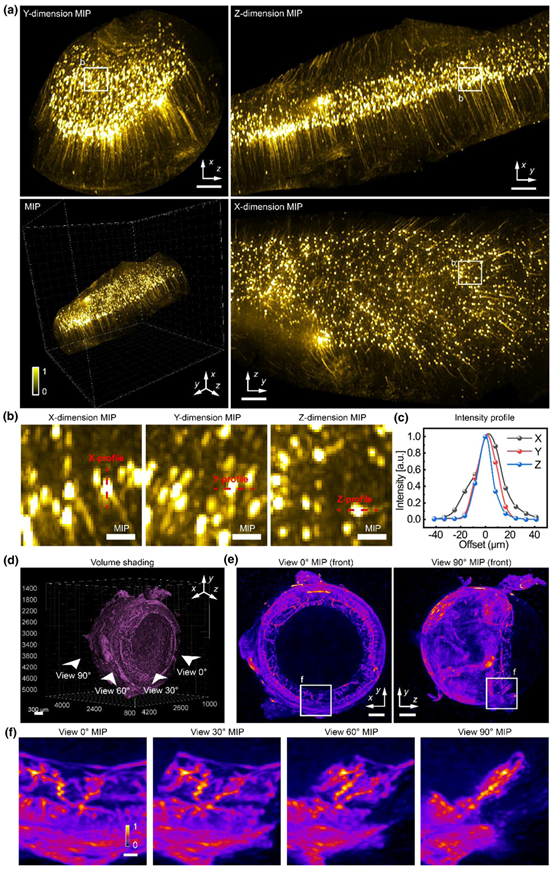
LEAO extracts wave-optics priors from spatial-angular data and disentangles them in latent space to improve aberration estimation accuracy and robustness across various challenging conditions, enabling high-fidelity intravital imaging.
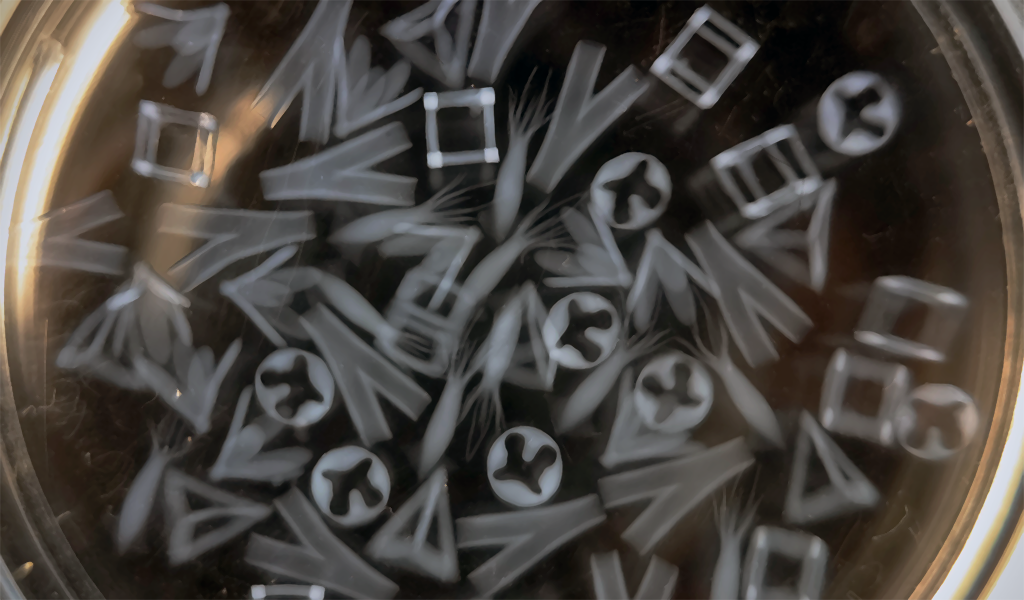
Nature 2026 | Sub-second Volumetric 3D Printing by Synthesis of Holographic Light Fields
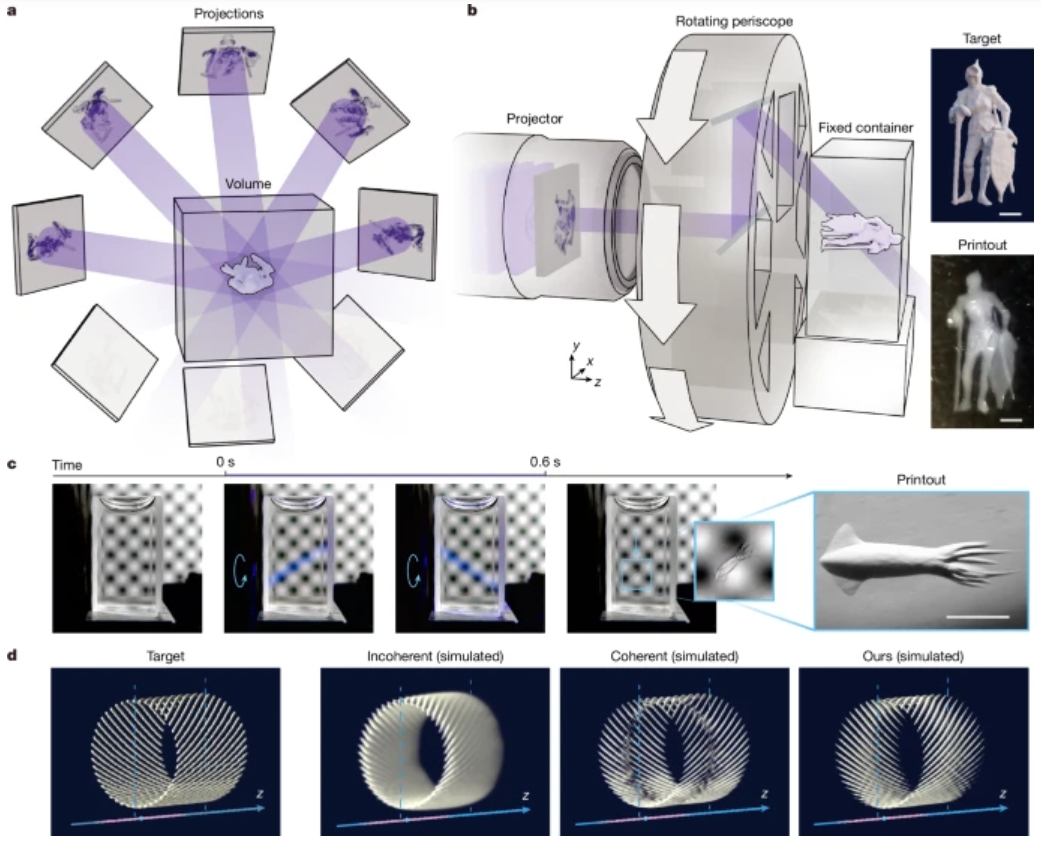
DISH redefines volumetric 3D printing with a 0.6 second exposure time. This innovation breaks speed-precision limits, fits materials of diverse vicosities and successive processing scenarios in fluids.

Science 2026 | Deeper detection limits in astronomical imaging using self-supervised spatiotempor...
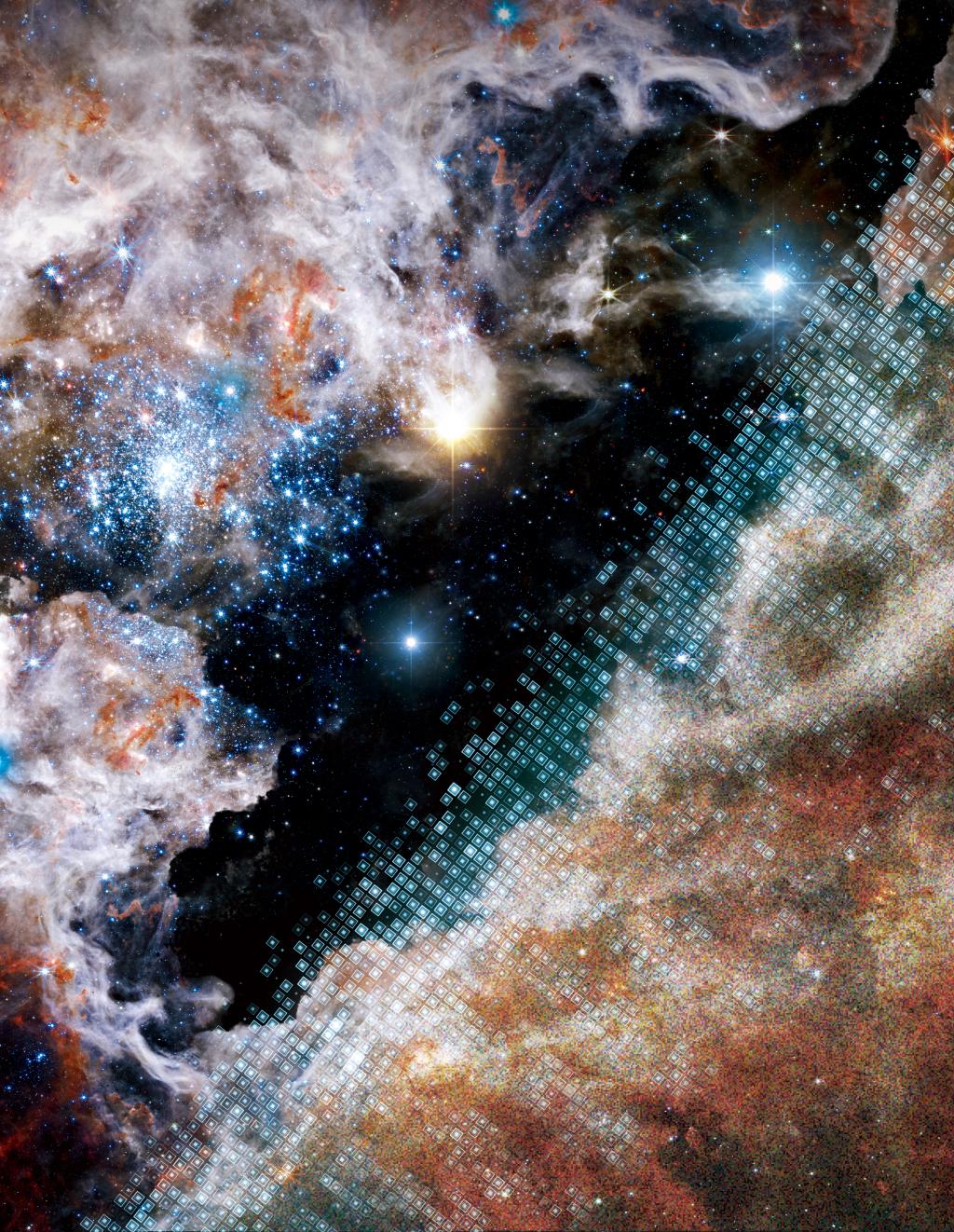
Astronomical Self-supervised Transformer-based Denoising (ASTERIS) uses spatiotemporal information across multiple exposures to deepen detection limits by 1.0 magnitude while preserving accuracy. Validated with deep JWST imaging data, it reveals faint structures and triples redshift ≳ 9 galaxy candidates than prior methods.
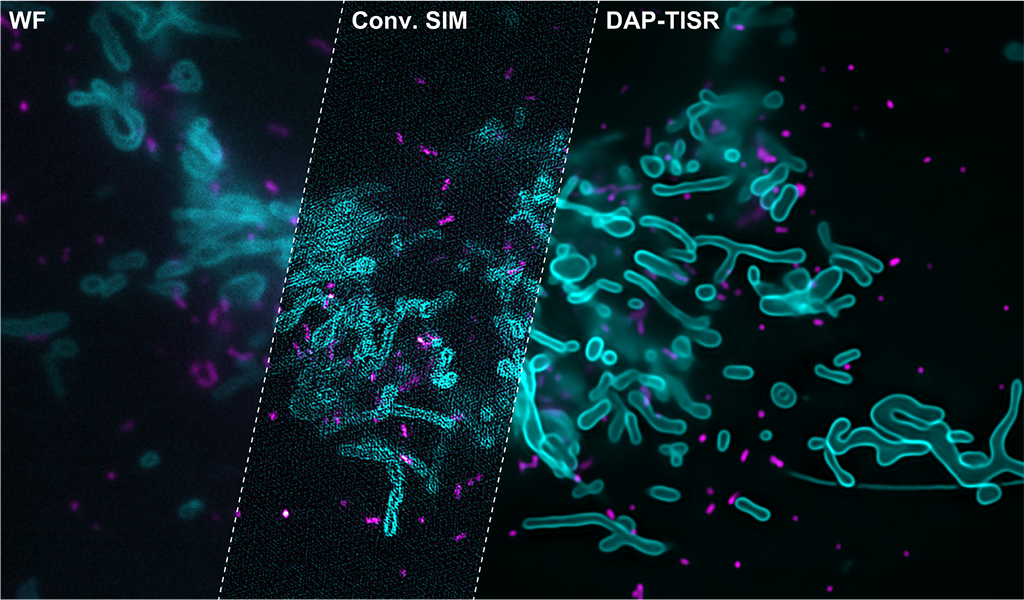
Nature Biotechnology 2025 | A neural network for long-term super-resolution imaging of live cells...
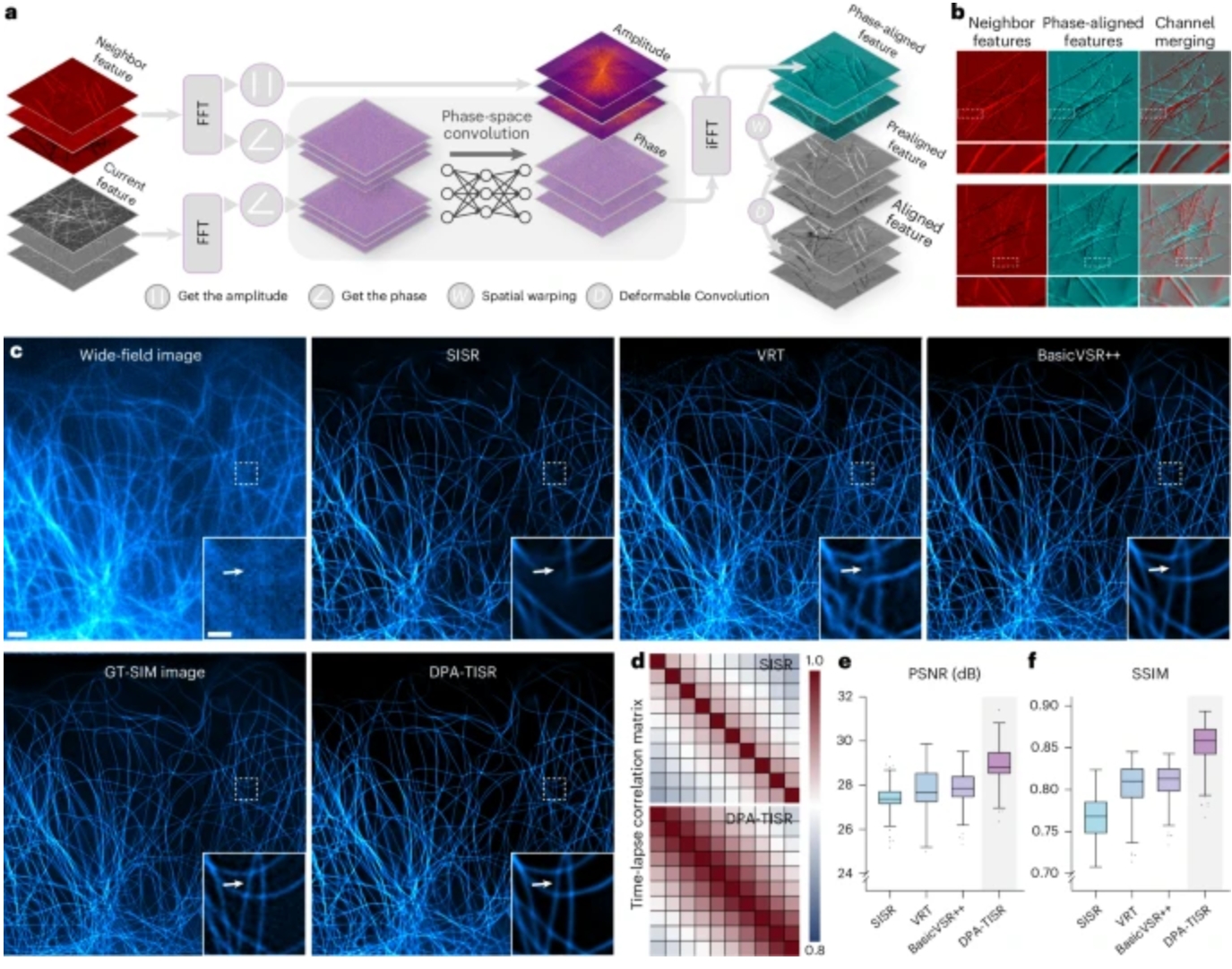
The Bayesian deformable phase-space alignment time-lapse image super-resolution (Bayesian DPA-TISR) neural network can adaptively enhance the cross-frame alignment in the phase domain and outperform existing state-of-the-art SISR and TISR models, which enables multi-color live-cell super-resolution imaging for more than 10,000 timepoints of various biological specimens with high fidelity, temporal consistency, and accurate confidence quantification.

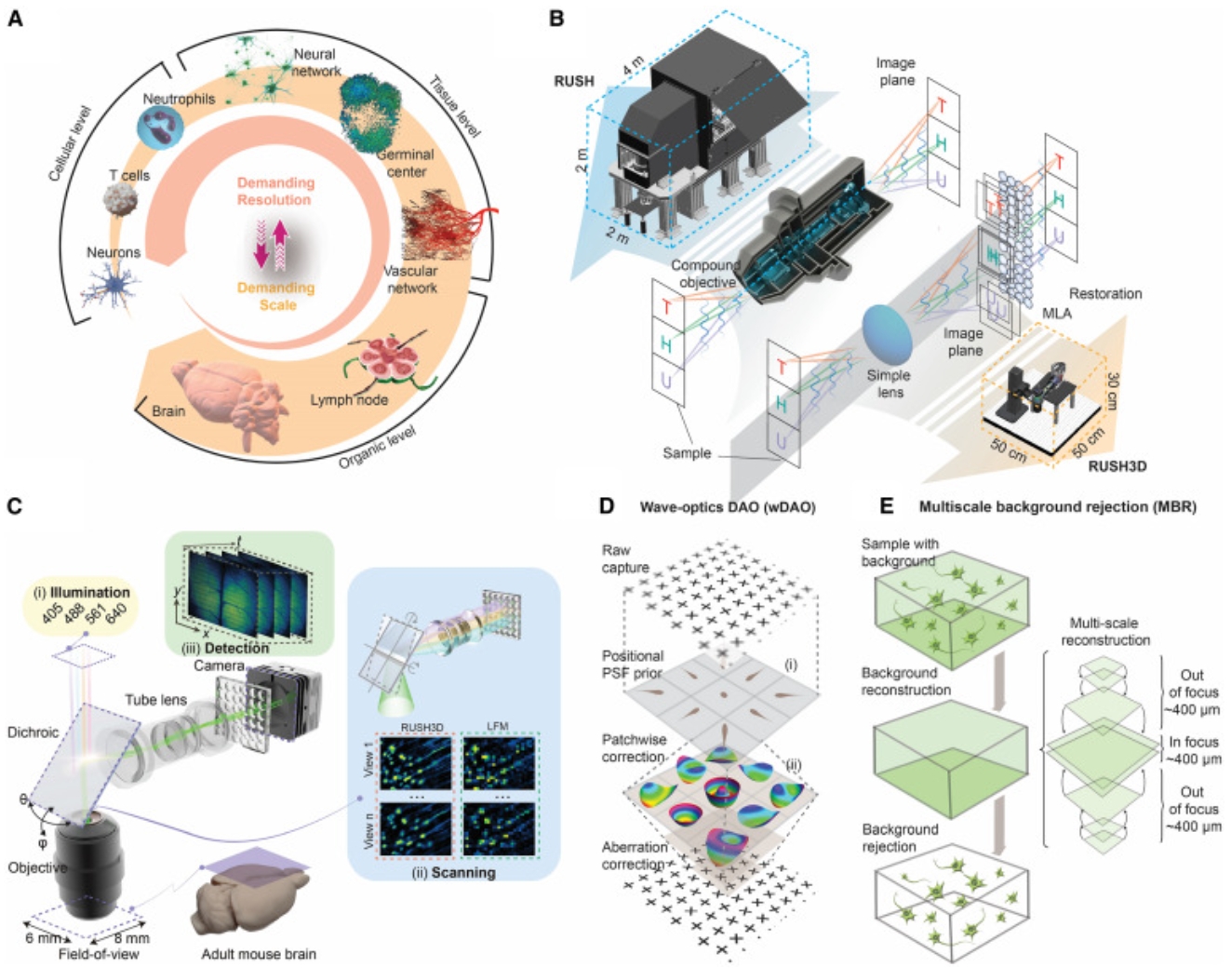
Cell 2024 | Long-term mesoscale imaging of 3D intercellular dynamics across a mammalian organ
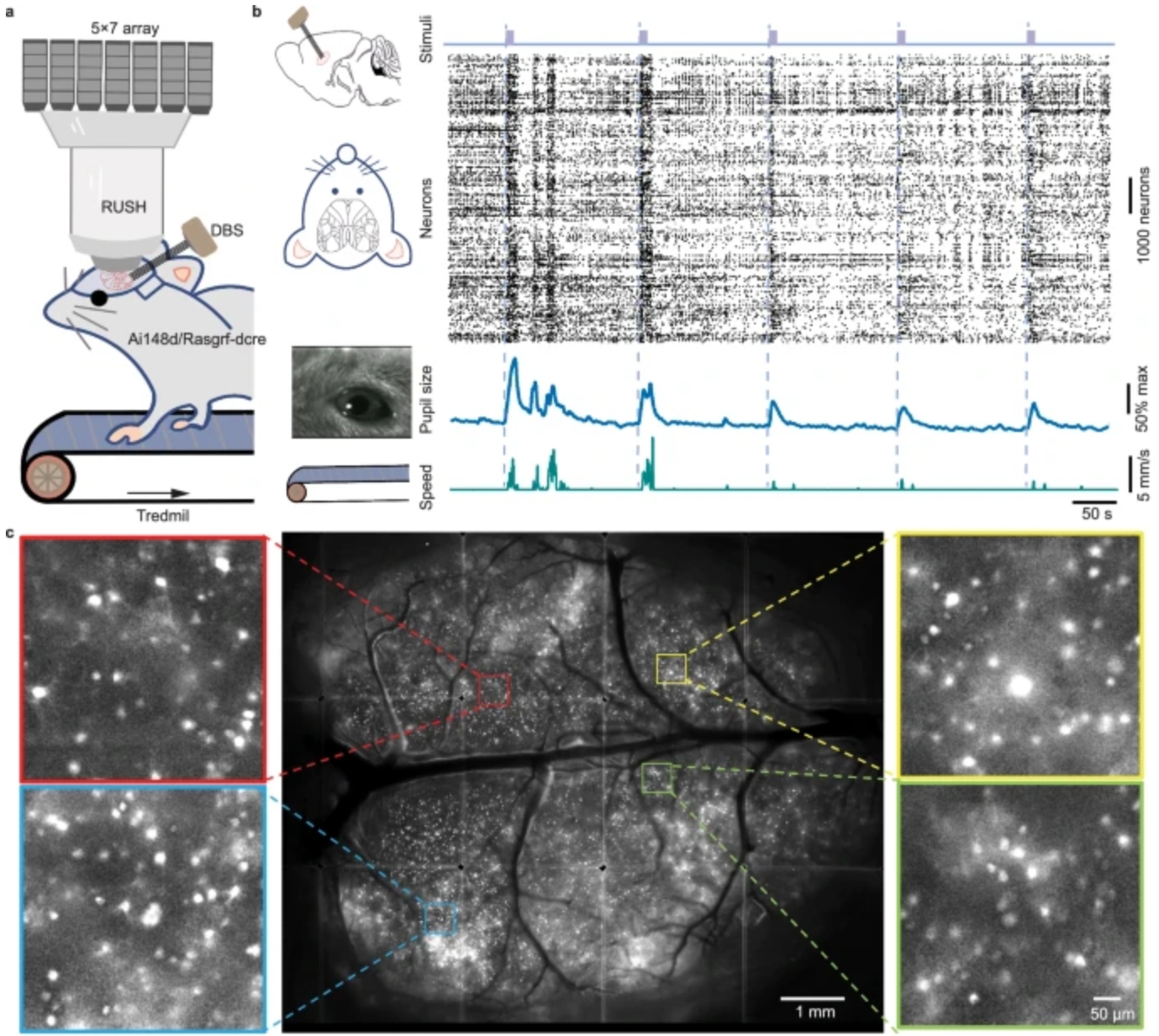
RUSH3D, with integration of multiple computational imaging methods based on scanning light-field framework, facilitates long-term high-speed centimeter-wide mesoscale 3D imaging at single-cell resolution in a compact system for broad practical applications in understanding large-scale intercellular dynamics at the mammalian organ level.